High Cholesterol and Heart Health in Pakistan: A Practical Diet and Lifestyle Guide
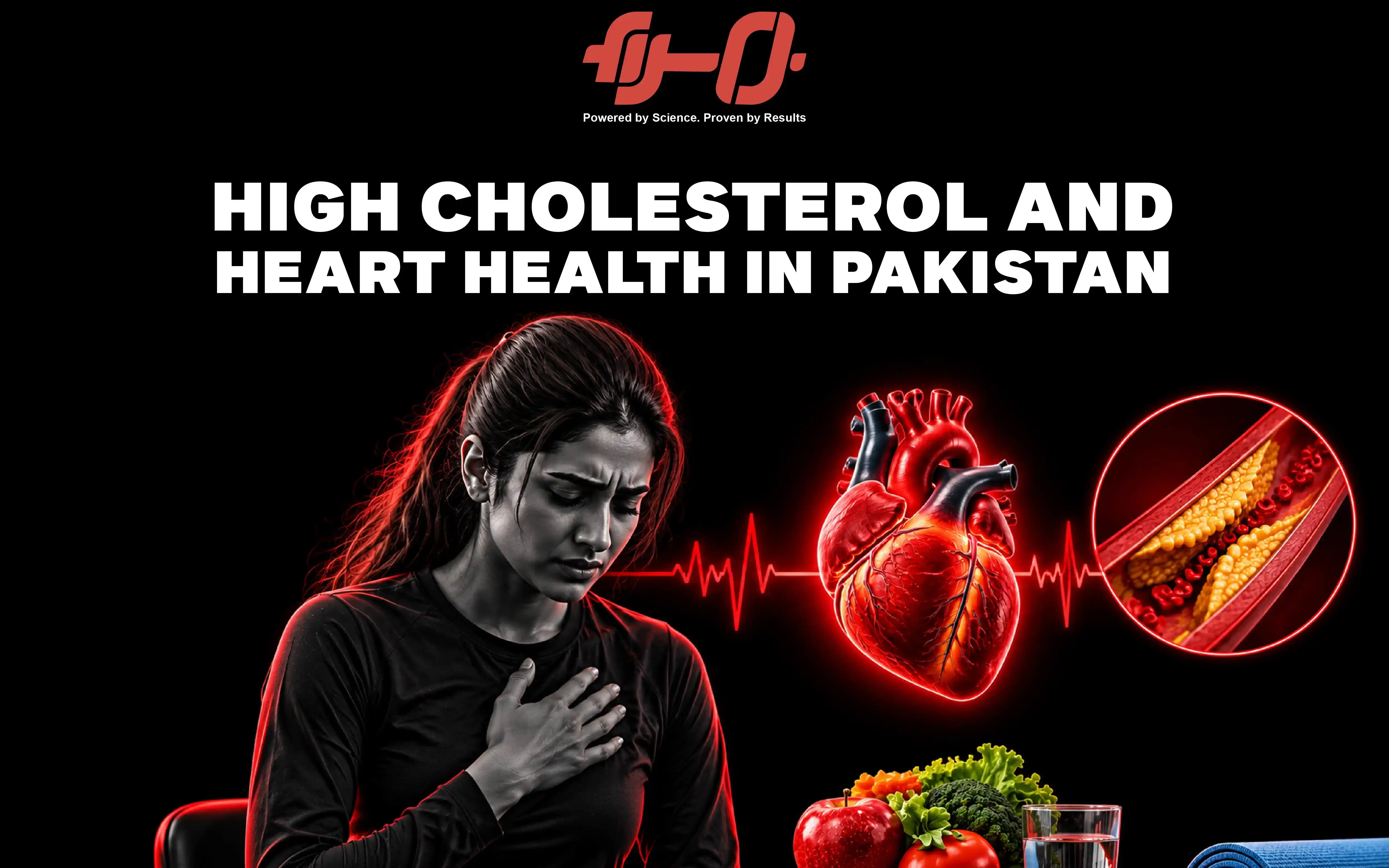
Heart disease is among the leading causes of death in Pakistan, and high cholesterol is one of its most important and most manageable risk factors. The challenge is that high cholesterol rarely causes symptoms. Many people only discover it through a routine blood test, often after a family member has had a heart problem. By then, years of silent damage may have occurred.
The encouraging news is that diet, exercise, and lifestyle changes can meaningfully improve cholesterol levels for many people, alongside medication where a doctor advises it. At Fitoo.pro, we help people build sustainable, heart-healthy routines around Pakistani food and daily life. This article explains what cholesterol is, why it matters, and which practical changes can make a difference.
What Is Cholesterol?
Cholesterol is a waxy, fat-like substance your body needs to build cells and produce hormones. Your liver makes most of it, and the rest comes from food. Problems arise when certain types accumulate in the blood. A standard blood test, called a lipid profile, usually reports:
• LDL cholesterol ("bad" cholesterol): High levels contribute to fatty deposits in the arteries.
• HDL cholesterol ("good" cholesterol): Helps remove excess cholesterol from the bloodstream.
• Triglycerides: A type of fat in the blood, often raised by excess sugar, refined carbohydrates, and alcohol.
• Total cholesterol: The overall measure of cholesterol in your blood.
Target values depend on your age, medical history, and overall risk, so your doctor should interpret your results.
Why High Cholesterol Matters
Over time, excess LDL cholesterol can build up in artery walls, narrowing them and restricting blood flow. This increases the risk of heart attack and stroke. High cholesterol often occurs alongside other conditions, including type 2 diabetes, high blood pressure, fatty liver, thyroid disorders, and PCOS, which is why a whole-health approach works best.
Risk Factors Common in Pakistan
• Diets high in fried and oily foods, such as samosas, pakoras, parathas, and heavy curries
• Frequent use of ghee, vegetable shortening, and reused cooking oil
• High intake of refined carbohydrates and sugar, which can raise triglycerides
• Sedentary lifestyles and limited regular exercise
• Abdominal obesity, a notable risk marker for South Asians
• Smoking, including cigarettes and shisha
• Family history of heart disease or high cholesterol
• Stress and poor sleep
• Infrequent health screening
Nutrition for Heart Health
A heart-healthy diet plan focuses on improving the quality of fats and carbohydrates, increasing fiber, and supporting a healthy weight.
1. Choose Better Fats
Not all fats are equal. Reduce saturated and trans fats, and favor unsaturated fats:
• Limit: deep-fried foods, excessive ghee and butter, fatty red meat, processed meats, bakery items, and foods made with hydrogenated oils
• Prefer: olive oil, mustard oil or canola oil in moderate amounts, nuts such as almonds and walnuts, seeds, avocado, and fatty fish such as salmon, sardines, or mackerel
2. Increase Soluble Fiber
Soluble fiber can help lower LDL cholesterol. Good sources include:
• Oats and barley
• Daal, chana, lobia, and rajma
• Fruits such as apples, guava, and oranges
• Vegetables such as okra (bhindi), carrots, and eggplant (baingan)
• Flaxseed and psyllium husk (isabgol)
3. Choose Whole Grains Over Refined Grains
Whole wheat roti, brown rice, oats, and multigrain options are generally better than maida, white bread, and large portions of white rice.
4. Cut Back on Sugar and Refined Carbohydrates
Excess sugar and refined carbs can raise triglycerides and lower HDL. Reducing sweet chai, soft drinks, mithai, and bakery items is one of the most impactful changes you can make.
5. Cook Smarter
• Use less oil and measure it rather than pouring freely
• Bake, grill, steam, or shallow-cook instead of deep-frying
• Avoid reusing frying oil repeatedly
• Trim visible fat from meat and remove chicken skin
• Flavor food with spices, herbs, lemon, and garlic instead of heavy oil
6. Watch Salt Intake
Although salt does not directly raise cholesterol, high intake contributes to high blood pressure, which compounds heart risk. Reduce added salt, pickles, and salty processed snacks.
Desi Swaps for a Healthier Heart
Instead of
Try
Paratha or puri
Plain whole wheat roti
Deep-fried samosa or pakora
Roasted chana, baked snacks, or a handful of nuts
Heavy, oily curries
Lightly cooked sabzi or daal with less oil
Fatty red meat regularly
Fish, skinless chicken, or legumes
Sweet chai and soft drinks
Green tea or lightly sweetened chai, and water
White rice in large portions
Small portions of brown rice with daal and vegetables
Exercise for Heart Health
Regular physical activity can help raise HDL, reduce triglycerides, support weight loss, and lower blood pressure. A balanced plan includes:
• Aerobic activity: As general guidance, aim for about 150 minutes per week of moderate exercise such as brisk walking, cycling, or swimming, unless your doctor advises otherwise.
• Strength training: Two to three sessions weekly to build muscle and improve metabolic health.
• Daily movement: Short walks after meals, taking stairs, and reducing long periods of sitting.
• Gradual progression: Start at a comfortable level and build up.
If you have existing heart disease, chest pain, shortness of breath, or other symptoms, speak to your doctor before starting an exercise program.
Lifestyle Factors That Influence Cholesterol
• Weight management: Even modest weight loss can improve lipid levels.
• Quit smoking: Smoking lowers HDL and damages blood vessels. Quitting benefits heart health quickly.
• Limit alcohol: Excess alcohol raises triglycerides and strains the liver.
• Sleep: Aim for seven to eight hours nightly.
• Stress management: Chronic stress affects eating habits, blood pressure, and overall heart health.
• Regular screening: Ask your doctor how often to check your lipid profile, blood pressure, and blood sugar, particularly if you have a family history.
Common Mistakes to Avoid
1. Eliminating all fat, rather than choosing healthier fats
2. Focusing only on cholesterol-containing foods while ignoring sugar, refined carbs, and overall diet quality
3. Stopping medication once numbers improve, without consulting a doctor
4. Relying on supplements or "cholesterol cure" products instead of proven lifestyle changes and medical care
5. Skipping follow-up blood tests
6. Crash dieting, which is hard to sustain and rarely improves long-term health
7. Assuming no symptoms means no risk
Simple Steps to Start Today
1. Replace one fried snack a day with fruit, nuts, or roasted chana
2. Measure your cooking oil instead of free pouring
3. Add oats, daal, or vegetables to your daily meals
4. Walk for 30 minutes most days
5. Reduce sugary chai and soft drinks
6. Choose whole wheat roti over refined flour items
7. Book a lipid profile test if you have not had one recently
Why Choose Fitoo.pro
Fitoo.pro builds nutrition and exercise guidance around Pakistani meals, family routines, and your health goals. Instead of generic Western diet charts, you get practical changes you can maintain, with regular follow-ups and progress tracking so your plan adapts as your lab results and lifestyle change.
Conclusion
High cholesterol is common, silent, and highly manageable. By improving the quality of your fats, increasing fiber, reducing sugar and fried foods, staying active, and following up with your doctor, you can meaningfully lower your risk of heart disease. Small, consistent changes built around familiar foods work better than drastic, short-lived diets. If you want guidance tailored to your routine and food preferences, explore what Fitoo.pro can offer.
Frequently Asked Questions (FAQs)
1. Can high cholesterol be reduced without medication?
For some people, yes. Diet, exercise, weight loss, and quitting smoking can significantly improve cholesterol levels. However, some people, particularly those with very high levels, a family history, or existing heart disease, need medication. Follow your doctor's advice.
2. Should I stop eating eggs?
Dietary cholesterol affects people differently, and for many people, moderate egg consumption is acceptable within a balanced diet. If you have very high cholesterol, diabetes, or heart disease, ask your doctor for personalized guidance.
3. Is ghee bad for cholesterol?
Ghee is high in saturated fat, so large amounts can raise LDL cholesterol. Using small, measured amounts occasionally is different from consuming it heavily every day.
4. Can I eat roti and rice with high cholesterol?
Yes, in sensible portions. Choose whole wheat roti, keep rice portions moderate, and pair them with vegetables, daal, and lean protein.
5. How long does it take to lower cholesterol with lifestyle changes?
Many people see improvement in lipid levels within about three months of consistent changes, though results vary. Your doctor will advise when to retest.
6. Does exercise really help cholesterol?
Yes. Regular aerobic and strength training can help raise HDL, lower triglycerides, and support weight loss, all of which benefit heart health.
7. Do I need supplements like omega-3 or fiber?
Not necessarily. A balanced diet with fish, nuts, seeds, and fiber-rich foods often covers the basics. Discuss any supplements with your doctor first.
Disclaimer: This article is for informational purposes only and is not medical advice. Please consult a physician or cardiologist for diagnosis and treatment, and before making significant changes to diet, exercise, or medication.