Weight Loss Program in Pakistan: A Sustainable, Science-Based Approach to Fat Loss
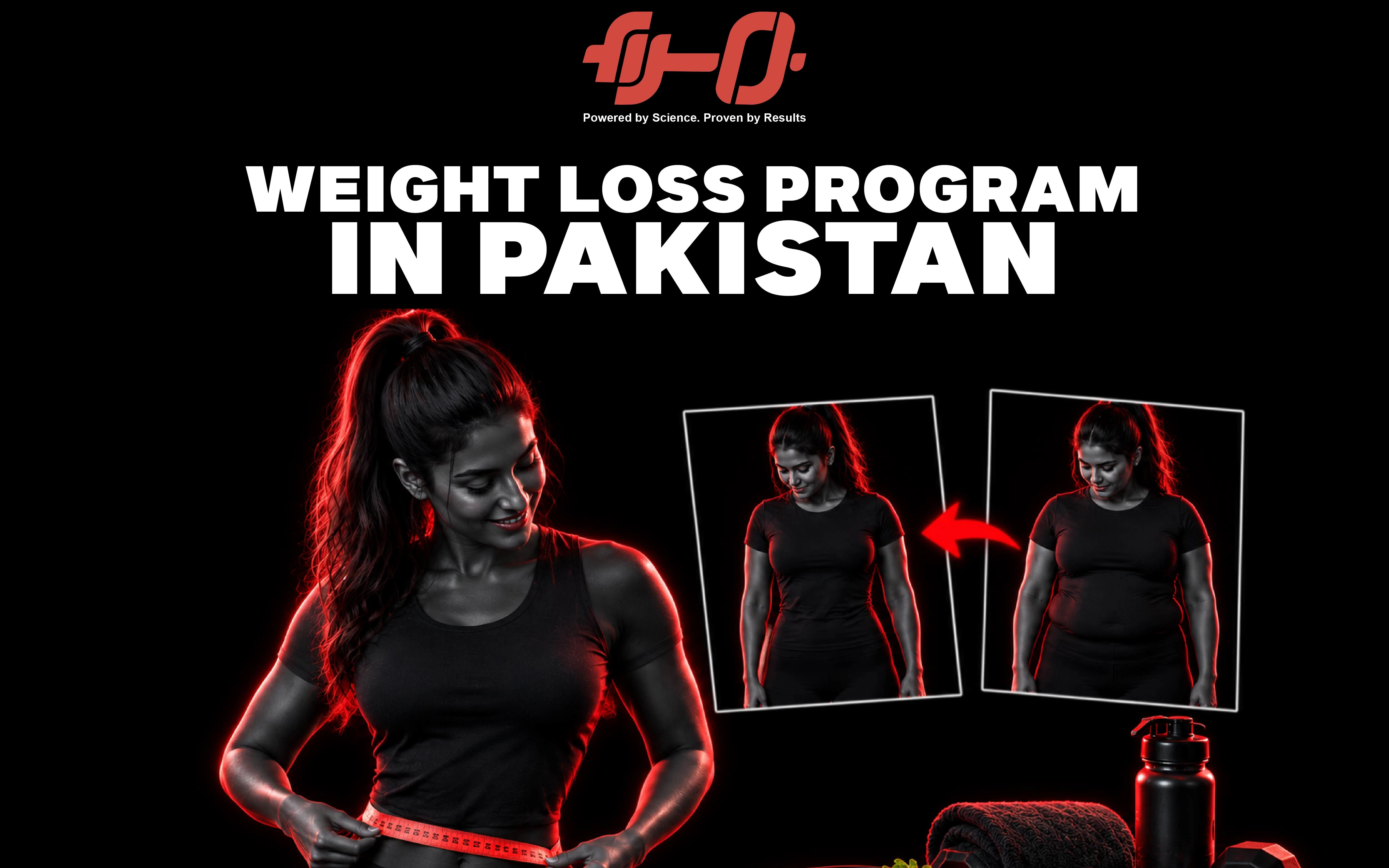
Weight loss is one of the most common health goals in Pakistan, and one of the most frequently abandoned. Crash diets, social media trends, and one-size-fits-all diet charts promise fast results, yet most people regain the weight within months. The problem is rarely willpower. It is the absence of a plan that fits your body, your food culture, and your daily life.
At Fitoo.pro, we design weight loss programs in Pakistan around personalized nutrition, structured exercise, and ongoing coaching. This article explains how sustainable fat loss works, why common approaches fail, and how Fitoo's 3-month and 6-month programs support lasting results.
Why Weight Gain Is Rising in Pakistan
Several factors contribute to increasing rates of overweight and obesity across cities such as Karachi, Lahore, Islamabad, and Faisalabad:
• Calorie-dense, carbohydrate-heavy diets, including large portions of rice, naan, paratha, and fried snacks
• Frequent sugary beverages, such as sweet chai and soft drinks
• Sedentary work and limited daily movement
• Irregular sleep and chronic stress, both linked to appetite and fat storage
• Genetic predisposition, as South Asians tend to accumulate abdominal fat at lower body weights
• Limited access to qualified nutrition guidance
How Sustainable Fat Loss Works
Fat loss requires a modest, sustained calorie deficit, meaning you consume slightly fewer calories than your body uses. However, how you create that deficit determines whether you lose fat or muscle, and whether you can maintain the result.
1. A Personalized Nutrition Plan
An effective weight loss diet plan accounts for your age, weight, activity level, medical history, and food preferences. Key principles include:
• A moderate calorie deficit rather than severe restriction
• Adequate protein from eggs, chicken, fish, daal, yogurt, and paneer to preserve muscle
• Controlled portions of roti and rice rather than elimination
• High-fiber vegetables and whole fruits to improve fullness
• Reduced sugar, fried foods, and ultra-processed snacks
2. Structured Exercise Programming
Exercise supports fat loss, protects muscle, and improves metabolic health. A balanced plan includes:
• Strength training two to four times weekly to maintain and build muscle
• Daily walking or moderate cardio to increase energy expenditure
• Progressive overload, gradually increasing difficulty over time
• Recovery days to prevent burnout and injury
3. Habit and Lifestyle Modification
Long-term success depends on behavior. Sleep of seven to eight hours, stress management, hydration, and mindful eating all influence appetite and consistency. Small, repeatable habits outperform short bursts of extreme effort.
4. Progress Tracking Beyond the Scale
Scale weight fluctuates with water, salt, and hormones. Better indicators include waist and hip measurements, progress photos, clothing fit, strength gains, and energy levels.
Why Most Weight Loss Attempts Fail
1. Crash dieting, which causes muscle loss and rebound weight gain
2. Eliminating entire food groups, which is difficult to sustain
3. Relying only on cardio without strength training
4. Copying generic diet charts that ignore individual needs
5. Lack of accountability, so motivation fades after a few weeks
6. Unrealistic timelines, leading to discouragement
Fitoo.pro Weight Loss Programs
Note for review: The feature lists below are a typical structure. Please replace them with Fitoo's actual program components before publishing.
3-Month Weight Loss Program
A focused program to build healthy eating habits, establish an exercise routine, and achieve visible early results.
Program components:
• Personalized nutrition plan
• Customized workout programming
• Calorie and portion guidance
• Habit and lifestyle coaching
• Progress tracking
• Regular follow-ups
6-Month Weight Loss Program
Our most comprehensive option, built for clients seeking greater fat loss and long-term habit change with extended coaching support.
Program components:
• Personalized nutrition plan
• Customized workout programming
• Calorie and portion guidance
• Habit and lifestyle coaching
• Progress tracking
• Regular follow-ups
• Extended coaching and maintenance strategy
A realistic rate of fat loss is generally around 0.5 to 1 kg per week for many people, so a six-month timeline allows meaningful change while building habits that last.
Benefits of a Structured Weight Loss Program
• Steady, sustainable fat loss
• Preservation of muscle mass
• Improved energy, sleep, and mood
• Lower risk of type 2 diabetes, hypertension, and heart disease
• Better confidence and relationship with food
• A plan that fits desi meals and family routines
Tips to Start Today
1. Add protein to every meal
2. Walk at least 30 minutes daily
3. Reduce sugary chai and soft drinks
4. Control rice and roti portions rather than removing them
5. Sleep seven to eight hours
6. Drink water regularly
7. Track measurements, not just weight
Why Choose Fitoo.pro
Fitoo.pro builds weight loss programs around Pakistani food, routines, and gym or home training options. Regular follow-ups and plan adjustments mean you are never guessing whether your approach is working.
Conclusion
Lasting weight loss comes from a personalized nutrition plan, structured exercise, healthy habits, and consistent coaching, not from extreme diets. Consider joining Fitoo's 3-Month or 6-Month Weight Loss Program for a plan built around your life.
Frequently Asked Questions (FAQs)
1. How fast can I lose weight safely?
Many people lose around 0.5 to 1 kg per week. Faster loss often involves muscle and water, and is harder to maintain.
2. Do I have to give up roti and rice?
No. Portion control and pairing them with protein and vegetables is usually enough.
3. Is walking enough to lose weight?
Walking helps, but combining it with strength training and a calorie-controlled diet produces better results.
4. Why is my weight not changing even though I am dieting?
Water retention, hormones, muscle gain, underestimated portions, or inconsistent habits can all play a role. Consider medical conditions such as thyroid disorders or PCOS, and consult a doctor if progress stalls.
5. How long should I follow a weight loss program?
Three months can establish habits and early results, while six months supports bigger change and maintenance.
Disclaimer: This article is for informational purposes only and is not medical advice. Consult a doctor or registered dietitian before starting a new diet or exercise program, especially if you have a medical condition.