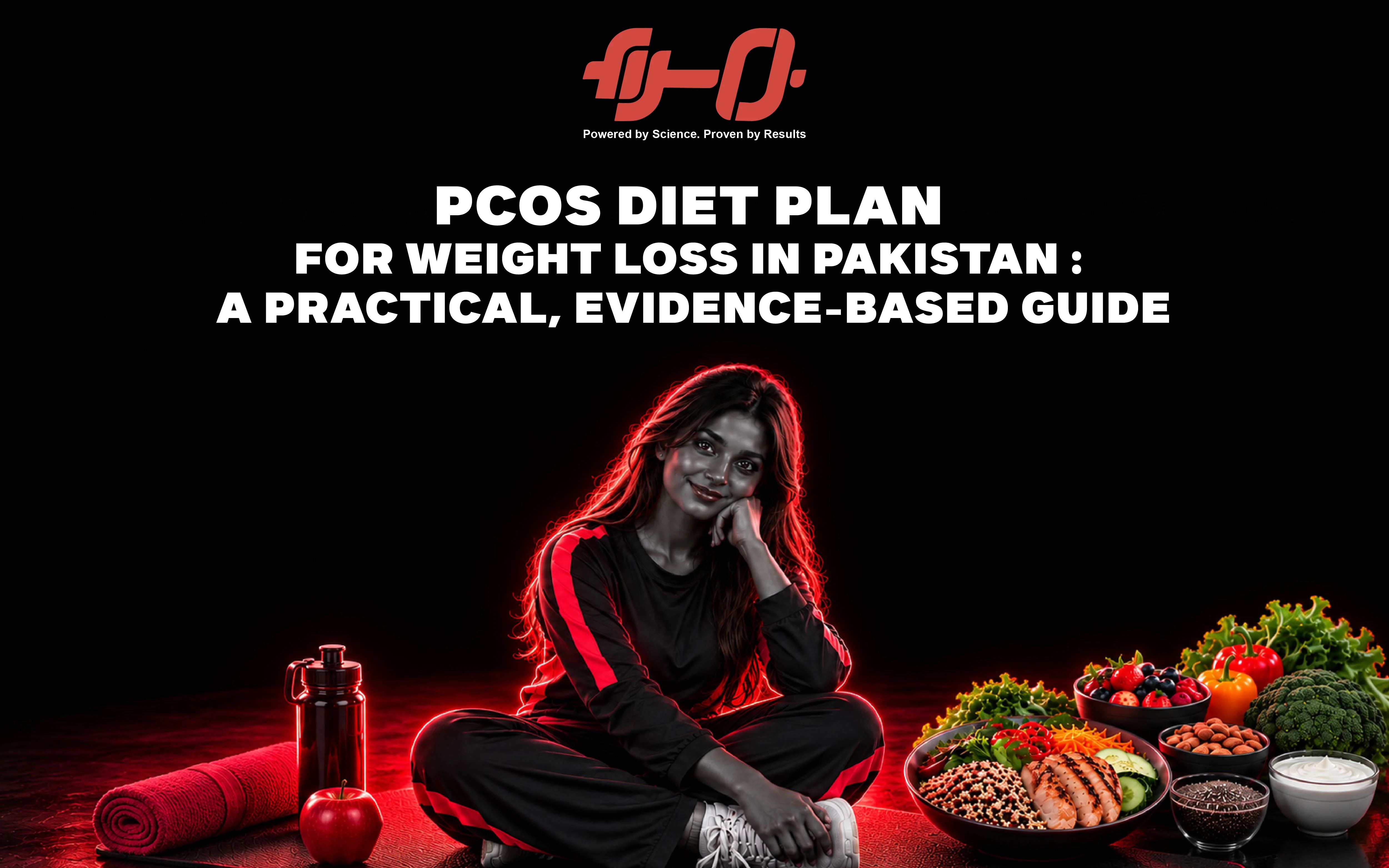
PCOS Diet Plan for Weight Loss in Pakistan: A Practical, Evidence-Based Guide
Polycystic Ovary Syndrome (PCOS) is one of the most common hormonal conditions affecting women of reproductive age, and weight management is among its most persistent challenges. Many women in Pakistan report that conventional diets fail them: they eat less, exercise more, and still struggle to lose weight. The reason is rarely a lack of discipline. PCOS alters how the body processes insulin, stores fat, and regulates hormones, so a generic diet chart seldom works.
At Fitoo.pro, we design PCOS diet plans around the underlying physiology of the condition and the realities of Pakistani food culture. This article explains why PCOS makes weight loss difficult, which dietary principles matter most, and how Fitoo's 3-month and 6-month PCOS programs provide structured, ongoing support.
Why Weight Loss Is Harder with PCOS
Women with PCOS commonly experience insulin resistance, a condition in which the body's cells respond poorly to insulin. To compensate, the pancreas produces more of it. Elevated insulin levels can promote fat storage, particularly around the abdomen, increase hunger and cravings, and stimulate the ovaries to produce excess androgens. These androgens contribute to symptoms such as acne, hair thinning, unwanted facial hair, and irregular periods.
This creates a self-reinforcing cycle: insulin resistance drives weight gain, and weight gain worsens insulin resistance. Breaking that cycle requires a strategy that stabilizes blood sugar, supports hormonal balance, and preserves muscle mass, not simply a lower calorie target.
Core Principles of an Effective PCOS Diet Plan
1. Prioritize Low Glycemic Index Foods
Low-GI foods release glucose gradually, which limits sharp insulin spikes. Suitable options within a Pakistani diet include:
• Whole wheat or multigrain roti in controlled portions
• Daal, chana, lobia, and rajma
• Oats and barley
• Non-starchy vegetables such as spinach (saag), okra (bhindi), cauliflower, and bottle gourd (lauki)
• Whole fruits such as guava, apple, and berries, rather than juices
2. Build Every Meal Around Protein and Fiber
Protein and fiber slow digestion, improve satiety, and reduce post-meal glucose spikes. Reliable sources include eggs, chicken, fish, paneer, yogurt, lentils, and legumes, paired with salad or cooked vegetables.
3. Manage Carbohydrate Portions, Not Eliminate Them
Severe carbohydrate restriction is neither necessary nor sustainable for most women. The objective is to control portion size, choose complex carbohydrates, and pair them with protein and healthy fats. A small serving of rice eaten alongside daal and vegetables has a very different glycemic effect than a large plate of plain white rice.
4. Include Anti-Inflammatory and Healthy Fats
PCOS is associated with low-grade chronic inflammation. Dietary patterns rich in nuts, seeds (flaxseed, chia), olive oil, fatty fish, turmeric, and leafy greens may help support hormonal and metabolic health.
5. Reduce Refined Sugar and Ultra-Processed Foods
Sugary chai, soft drinks, bakery items, biscuits, and fried snacks contribute to blood sugar instability. Reducing them is one of the most impactful changes a woman with PCOS can make.
Sample PCOS-Friendly Day of Eating (Desi Style)
The following is an illustrative example only. Individual needs vary and should be personalized.
Meal
Example
Breakfast
Vegetable omelette with one multigrain roti and unsweetened tea
Mid-morning
A guava or apple with a small handful of almonds
Lunch
Grilled chicken or daal, mixed sabzi, cucumber-tomato salad, one small roti
Evening snack
Roasted chana or plain yogurt with flaxseed
Dinner
Fish or paneer with sautéed vegetables and a small portion of brown rice
Exercise: The Essential Companion to Diet
Nutrition alone is rarely sufficient. Physical activity directly improves insulin sensitivity, which is central to PCOS management. An effective PCOS exercise plan typically includes:
• Strength training two to three times weekly to build muscle, which improves glucose uptake
• Low-impact cardio, such as brisk walking or cycling, for cardiovascular and metabolic health
• Yoga or mobility work to support stress reduction
• Gradual progression, as consistency matters more than intensity
Excessive high-intensity exercise combined with aggressive calorie restriction can raise stress hormones and may be counterproductive for some women with PCOS, which is why individualized programming is important.
Lifestyle Factors That Influence Results
Weight loss with PCOS is shaped by more than food and exercise:
• Sleep: Poor sleep is linked to worsened insulin resistance and increased hunger. Aim for seven to eight hours nightly.
• Stress: Chronic stress elevates cortisol, which can promote abdominal fat storage.
• Cycle awareness: Tracking menstrual patterns and symptoms provides valuable information about hormonal progress.
• Laboratory monitoring: Periodic blood work, as advised by a physician, helps assess markers such as fasting glucose, insulin, thyroid function, and hormone levels.
Fitoo PCOS Programs
Fitoo.pro offers two structured programs that combine a PCOS-friendly nutrition plan with lifestyle guidance, tracking, and professional follow-up.
3-Month PCOS Program
Designed to establish sustainable habits, begin regulating symptoms, and build a foundation for long-term hormonal health.
Program components:
• PCOS-friendly nutrition plan
• Hormonal health lifestyle guidance
• Weight management strategy
• Menstrual cycle tracking
• Symptom tracking
• Exercise programming
• Lifestyle modification
• Lab report guidance
• Regular follow-ups
6-Month PCOS Program
Our most comprehensive option, suited to women seeking deeper, sustained improvement in cycle regularity, weight, and overall hormonal health.
Program components:
• PCOS-friendly nutrition plan
• Hormonal health lifestyle guidance
• Weight management strategy
• Menstrual cycle tracking
• Symptom tracking
• Exercise programming
• Lifestyle modification
• Lab report guidance
• Regular follow-ups
Because hormonal regulation in PCOS is gradual, an extended timeframe often allows more meaningful progress in cycle regularity, weight, and symptom control than short-term interventions.
Common Mistakes to Avoid
1. Crash dieting or extreme calorie restriction, which can worsen hormonal imbalance and lead to muscle loss
2. Eliminating all carbohydrates, which is difficult to sustain and often unnecessary
3. Relying solely on cardio while neglecting strength training
4. Using the scale as the only measure of progress rather than also tracking cycle regularity, energy, measurements, and symptoms
5. Following generic Western meal plans that do not reflect local foods or family eating patterns
6. Inconsistency, since PCOS responds to steady, long-term habits rather than short bursts of effort
Why Choose Fitoo.pro
Fitoo.pro builds PCOS programs around Pakistani cuisine, household routines, and realistic lifestyles. Your plan incorporates foods you already eat, accommodates family meals and festivals, and is adjusted through regular follow-ups as your body responds, so you always know whether your approach is working.
Conclusion
PCOS makes weight loss more complex, but it does not make it impossible. A strategy centered on blood sugar stability, adequate protein, structured strength training, quality sleep, and ongoing professional guidance can improve weight, cycle regularity, and overall well-being. If you are ready for a structured, culturally relevant approach, consider joining Fitoo's 3-Month or 6-Month PCOS Program.
Disclaimer: This article is for informational purposes only and does not constitute medical advice. Please consult a gynecologist or endocrinologist for diagnosis and treatment, and before making significant changes to diet, exercise, or medication.
Frequently Asked Questions (FAQs)
1. Can PCOS be cured through diet alone?
PCOS is a chronic condition and has no definitive cure, but its symptoms can often be managed effectively. A PCOS-friendly nutrition plan, regular exercise, quality sleep, and stress management can improve insulin sensitivity, cycle regularity, and weight. Some women also need medication, so diet works best alongside guidance from your doctor.
2. What is the best diet for PCOS weight loss in Pakistan?
There is no single best diet, but the most effective plans emphasize low glycemic index foods, adequate protein and fiber, controlled carbohydrate portions, and healthy fats, using familiar foods like daal, sabzi, eggs, chicken, yogurt, and whole wheat roti. Personalization matters because insulin resistance, activity level, and food preferences vary between women.
3. Can I eat roti and rice if I have PCOS?
Yes, in most cases. The key is portion size and pairing. Choose whole wheat or multigrain roti, keep rice portions small, and eat them with protein and vegetables, such as daal and sabzi, to slow glucose absorption.
4. Is it okay to drink chai with PCOS?
Moderate amounts are generally fine. Limit sugar, since sweet chai can cause blood sugar spikes, and consider reducing it to one or two cups daily. Unsweetened chai or green tea are better choices.
5. How long does it take to see results from a PCOS diet and exercise plan?
This varies. Some women notice improvements in energy, bloating, and cravings within a few weeks. Changes in menstrual regularity and weight usually take longer, often several months, because hormonal regulation is gradual. This is why Fitoo offers both 3-month and 6-month programs.